
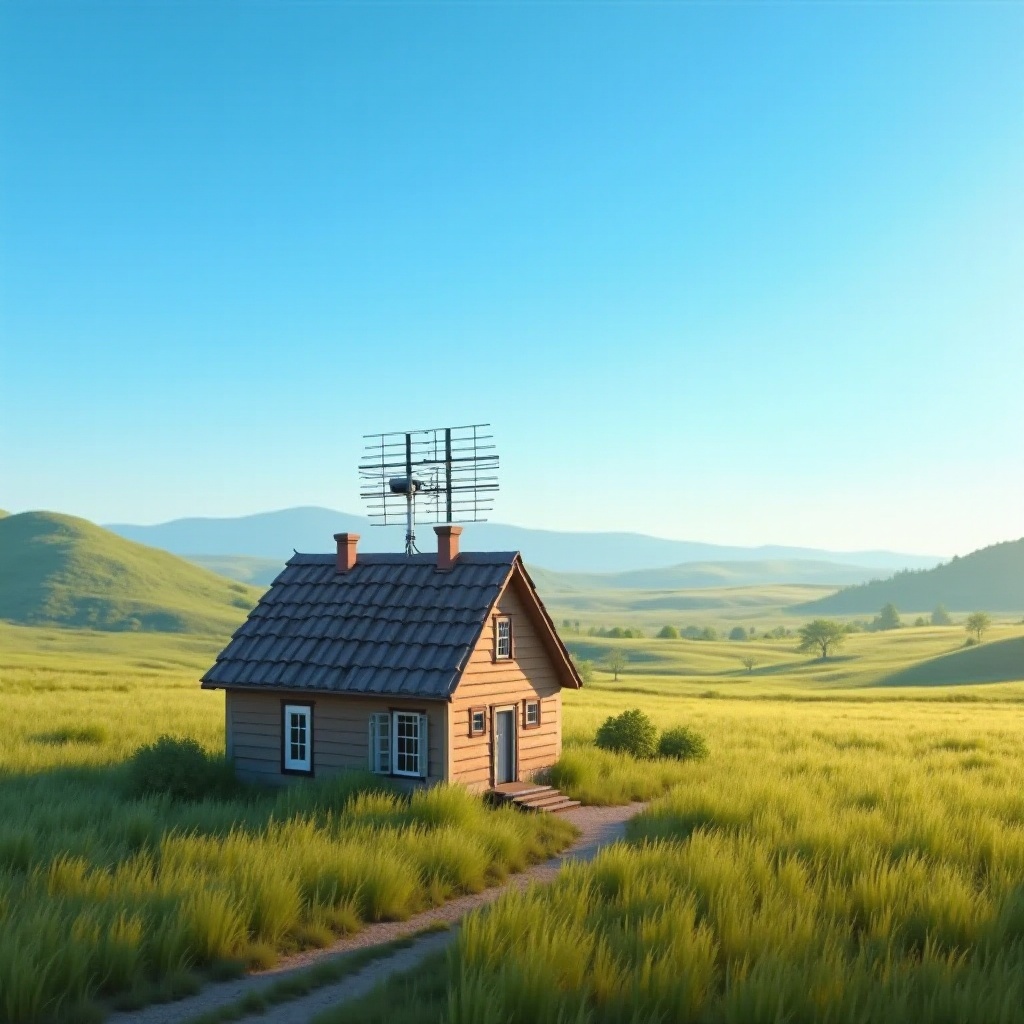
Choosing the right TV antenna in rural areas can greatly enhance your viewing experience. With limited access to cable and satellite, a reliable antenna becomes essential for accessing free over-the-air broadcasts. This guide will help you understand what to consider when choosing a TV antenna and offer top recommendations, installation tips, and frequently asked questions.
Introduction
In rural communities, receiving strong TV signals can be challenging, making the choice of the right antenna especially critical. Unlike urban areas with multiple nearby towers, rural areas often require antennas with long-range capabilities. This article is designed to guide you through the decision-making process, ensuring you select an antenna suited for your environment, optimize installation, and utilize the right accessories for the best reception.
Understanding TV Antennas
To effectively choose an antenna, one must understand the basics of its operation and the types available. Generally, TV antennas can be categorized into indoor and outdoor models.
-
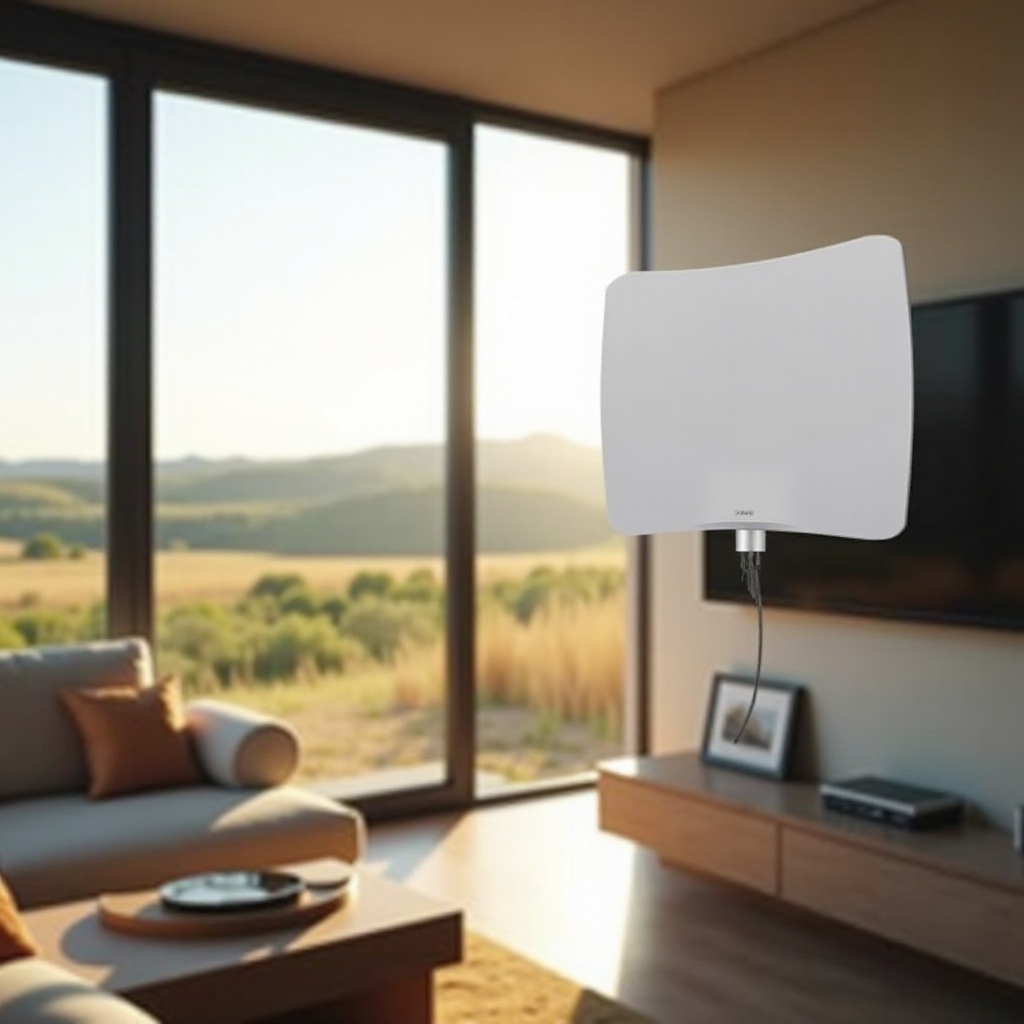
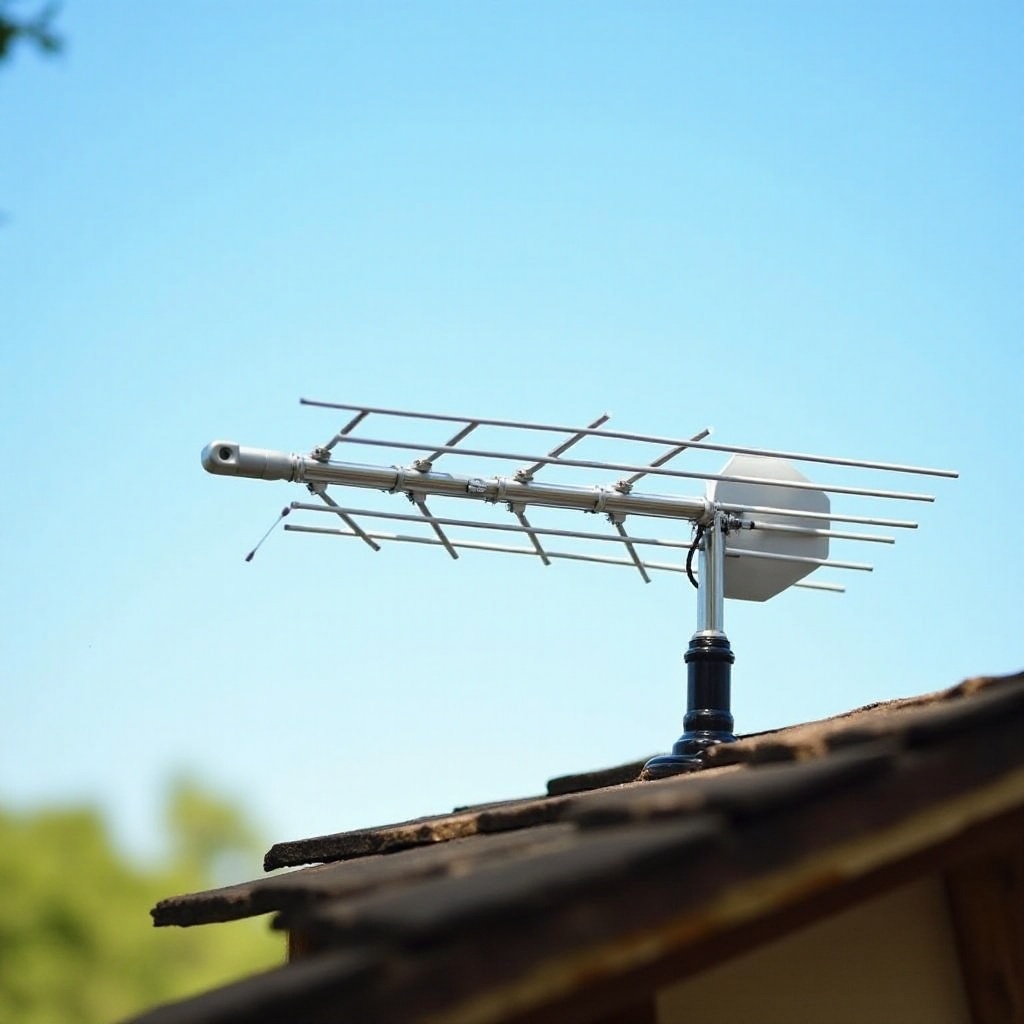
Types of TV Antennas: Indoor antennas, which are smaller and easier to install, are suitable for locations with strong signals. Conversely, outdoor antennas, being larger and capable of greater range, are ideal where broader coverage is necessary.
-
How TV Antennas Work: Antennas receive broadcast signals transmitted over the air by TV stations. These signals, primarily digital due to the 2009 analog-to-digital transition, are captured by the antenna and fed to your TV, enabling you to watch free channels without a subscription.
Understanding these basics leads to the key environmental and technical factors crucial for rural users.
Factors to Consider for Rural Areas
Assessing the environment is vital for optimal antenna performance in rural settings.
-
Signal Range and Distance: The distance to broadcast towers is a major factor. Long-range antennas designed for 50 miles or more are often necessary in rural locations.
-
Geographic and Environmental Considerations: Terrain plays a role in signal clarity. Hills, trees, and other obstructions can impact signals. Evaluate the landscape and choose an antenna that can overcome these environmental hurdles.
-
Weather Resistance and Durability: Rural areas may experience extreme weather. A durable antenna is essential for withstanding conditions like wind, rain, and snow, ensuring it continues to perform effectively.
Equipped with this knowledge, you can explore the top antenna choices for rural areas in 2024.
Top TV Antennas for Rural Areas in 2024
Based on the key factors, let’s examine the antennas that stand out in 2024. These models are selected for their range, durability, and user-friendly installation.
-
Antenna 1: Offering an impressive 70-mile range, this antenna is ideal for various weather conditions. Its multi-directional design ensures optimal reception regardless of the terrain.
-
Antenna 2: Combining advanced technology with powerful reception, this antenna is suitable for ranges over 50 miles. Its compact design maximizes performance without overwhelming your space.
-
Antenna 3: Known for robust construction, this antenna operates effectively in rural settings. With a 65-mile range, it features an integrated amplifier to boost weaker signals.
Once you’ve selected an antenna, proper installation ensures optimal performance.
Installation and Optimization Tips
After selecting your preferred antenna, proper installation is crucial to maximizing its efficiency. Here’s a simple installation guide:
-
Optimal Antenna Placement: For outdoor antennas, mount as high as possible, preferably on the rooftop or a tall mast, to avoid interference and obstructions. Indoor antennas should be positioned near windows or higher walls.
-
Using Signal Boosters: Signal boosters are useful in extending the antenna’s range and improving reception, especially beneficial if you’re at the edge of the antenna’s range.
-
Common Troubleshooting: If you face signal issues, try adjusting the antenna alignment. Testing different orientations or moving indoor antennas closer to exterior walls might resolve reception problems.
Additional Accessories to Enhance Reception
Several accessories can further enhance your antenna system, contributing to a flawless viewing experience.
-
Amplifiers: Amplifiers magnify weak signals, helping mitigate losses when television signals are split to feed multiple TVs.
-
Quality Cables and Connectors: High-quality coaxial cables help maintain strong signal integrity from the antenna to your television, minimizing potential losses.
Conclusion
Choosing the right TV antenna for rural areas requires careful consideration of factors like range, durability, and environmental challenges. By selecting from the top models of 2024 and following best installation practices, you can vastly improve your TV viewing experience without recurring subscription fees.
Frequently Asked Questions
How can I improve my TV antenna reception in rural areas?
Install the antenna as high as possible, use a signal booster, and ensure it’s properly aligned with broadcast towers.
Are outdoor antennas better than indoor ones for rural areas?
Yes, outdoor antennas typically offer better range and signal quality, which is crucial for rural areas with fewer broadcast towers.
What factors should I consider when choosing a TV antenna for rural use?
Consider the distance to broadcast towers, geographic features, and the durability of the antenna to withstand local weather conditions.