

Preparation for emergencies often goes beyond simple supplies like flashlights or bottled water. A well-prepared home combines reliable systems, practical habits, and flexible backup solutions to ensure safety and comfort regardless of circumstances. Everyday life can suddenly be disrupted by power outages, extreme weather, or system failures, and having the right plans in place can make a decisive difference. In this article, practical ways to maintain energy, water, food, warmth, communication, and household coordination are discussed to help create a truly prepared home.
1. Backup Power That Works Without Fuel
Solar Generator Charged and Ready Year-Round
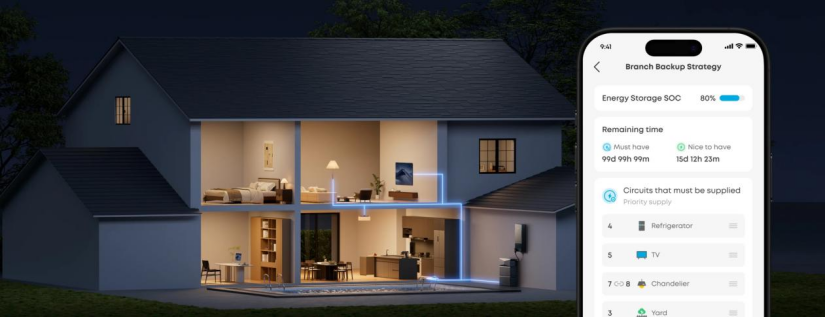
Modern homes can benefit from solar generators that provide dependable, fuel-free power throughout the year. A properly installed system can harness sunlight to keep critical appliances running without interruption, even when the grid goes down. These generators are especially helpful for people living in areas prone to storms or seasonal outages. Devices such as refrigerators, lights, and essential electronics can continue to operate silently, maintaining both convenience and safety. In daily life, they can also reduce reliance on traditional electricity, contributing to small energy savings. For instance, the Anker SOLIX E10 integrates solar charging with a smart battery, allowing consistent home power and automatic management of connected circuits.
Runs Fridge, Lights, and Medical Devices Silently
Reliable backup power is essential for more than just comfort; it protects food from spoilage and keeps life-saving medical devices operational. Quiet, clean energy ensures that refrigerators, lights, and oxygen concentrators continue functioning without generating noise or fumes. This type of system is especially practical for homes with infants, elderly residents, or individuals relying on daily medical equipment. Beyond emergencies, such power systems also serve as a convenient source of electricity for everyday use, offering a battery backup for home needs while integrating seamlessly with existing appliances.
2. Water That Flows When Pumps Stop
Water supply is often taken for granted until pumps or municipal systems fail. Homes can maintain access by storing treated water in secure containers or installing gravity-fed tanks. Simple practices such as keeping a few gallons per person and using filtration systems can bridge temporary disruptions. For families, having water ready for drinking, cooking, and hygiene reduces stress and ensures health safety. Regularly rotating stored water helps maintain freshness, while point-of-use filters add an extra layer of reliability. Planning for water continuity also allows households to avoid overdependence on emergency services, keeping daily routines intact even during extended outages.
3. Food You Can Eat Without Cooking
Emergency preparedness includes having non-perishable food options that require minimal or no cooking. Canned goods, dried fruits, nuts, and ready-to-eat meals can sustain households when stoves or ovens are unavailable. Organizing these foods in accessible locations makes them easy to reach during power or equipment failures. Proper rotation ensures freshness, while mindful portioning prevents waste. Meals that do not require cooking also provide flexibility during heat waves, storms, or other situations when cooking is impractical. Combining shelf-stable food with a backup power system ensures that refrigeration-dependent items remain safe and consumable.
4. Warmth or Cooling When HVAC Fails
Temperature control is critical for health, especially during extreme weather. Portable heaters, fans, or battery-operated climate devices can provide localized warmth or cooling when central HVAC systems fail. Layered strategies, such as blankets, insulated curtains, or window ventilation, complement portable solutions. These measures can prevent hypothermia in winter or heat stress in summer while keeping living spaces functional. Integration with a backup power source ensures that climate devices remain operational without interruption. Planning for thermal comfort also improves the quality of life during extended outages, offering families peace of mind regardless of weather conditions.
5. Communication When Networks Go Down
Maintaining lines of communication is vital during emergencies. Cell phones, internet connections, and radio systems may fail without power, making backup charging options essential. Solar chargers, battery packs, and portable generators enable continued access to news, emergency alerts, and family contact. Households can also establish alternative communication methods, like walkie-talkies or scheduled check-ins, to stay informed. Reliable connectivity allows for timely coordination and reduces anxiety during disruptions. Keeping devices charged using a battery backup for home ensures that critical communication channels remain available, supporting both safety and organization.
6. A Plan Everyone in the House Knows
Kids Know Where to Meet and Who to Call
A well-prepared home requires that every resident understand their role during emergencies. Children should know meeting points, emergency contacts, and basic safety procedures. Clear instructions and regular practice reinforce memory and confidence. When everyone knows where to gather and whom to notify, confusion and fear are minimized. Simple drills, like evacuating through different exits, can make a significant difference in real situations. Consistent communication and preparedness exercises help integrate these habits into everyday life, making them second nature when emergencies occur.
Emergency Contacts Posted on the Fridge
Visible reminders, such as a posted contact list on the refrigerator, are surprisingly effective. Emergency numbers, nearby hospitals, utility providers, and trusted neighbors should be included. This centralized reference ensures that information is accessible to everyone, even during high-stress situations. Regularly updating contacts keeps the list current and reliable. Visual cues help children and adults quickly find assistance when needed. Combined with practiced routines, these small preparations improve response efficiency. This approach emphasizes practicality, ensuring that knowledge is available when it matters most.
Conclusion
Being truly prepared involves more than storing supplies; it requires thoughtful integration of systems, habits, and backups. Reliable power, safe water, accessible food, temperature management, effective communication, and clear household plans all contribute to a resilient home. Attention to detail, practice, and strategic tools like a solar generator or battery backup for the home ensure readiness under real-world conditions. When combined, these measures transform a house from vulnerable to capable, providing peace of mind and tangible protection against the unexpected. A prepared home is not just about survival—it is about maintaining comfort, safety, and continuity in everyday life.