
A solar-powered generator can offer dependable backup power, portable energy, and more independence from the grid. However, not every model is applicable in every case. Some consumers want immediate home assistance, while others require power for vacation or off-grid employment. Battery capacity, inverter strength, and charging flexibility are all factors that impact performance. Selecting the incorrect size might result in a short duration or excessive expenditure. Before making a purchase, consider how and where you want to utilise the system. This tutorial discusses how to estimate your power needs and compare important parameters to determine the best option.
What Will You Use Your Solar-Powered Generator For?
Home Backup Power for Emergencies and Outages
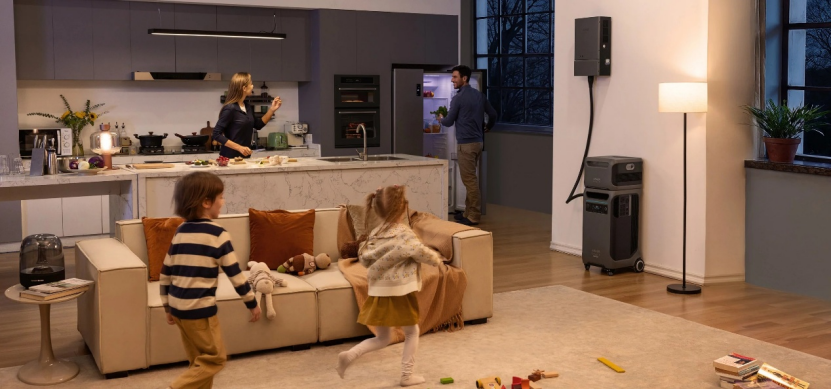
If you intend to utilise a solar-powered generator for home emergencies, prioritise important items. The majority of homes prioritise refrigerators, lights, internet routers, and medical gadgets. Begin by naming these objects and measuring their wattage. During an outage, you may not need to power your entire home. Instead, focus on important loads that ensure safety and communication. Choose a system that has enough battery capacity to power various gadgets for several hours or days. Solar generators are ideal for domestic usage due to their indoor safety and quiet operation. Clear priorities allow you to choose a model that provides trustworthy emergency coverage.
Camping, RV Trips, and Outdoor Adventures
Outdoor activities necessitate portable and adaptable power options. Campers and RV owners usually power lights, portable refrigerators, laptop computers, and small cooking equipment. For short travels, a tiny solar-powered generator with a reasonable battery capacity is usually sufficient. Extended RV travel may necessitate more inverter output and extended battery alternatives. Solar charging becomes critical while living off the grid for several days. Weight, handle design, and durability are all important considerations for transferring the unit between places. Consider how frequently you travel and how many gadgets are in use at any given time. Matching capacity to realistic consumption enables consistent and convenient performance outside.
Off-Grid Living and Remote Work Applications
Off-grid houses and remote job sites necessitate stronger systems. You could need power tools, communication equipment, water pumps, or other electrical gadgets. In these cases, select a solar-powered generator with a high continuous output and a robust surge capacity. Larger battery storage extends the duration between charges. Expandable battery modules enable future upgrades as energy requirements grow. The stable voltage output facilitates delicate devices used in distant work. Durability is especially important in severe conditions. Determine how many hours of power you use each day and whether solar input can meet your daily needs. Careful evaluation promotes long-term dependability.
How Much Power and Battery Capacity Do You Need?
Calculate Running Watts and Daily Energy Consumption
Make a list of every gadget you intend to power first. Find out how much power each appliance is using. The wattage is multiplied by the number of hours you anticipate using it each day. This computation provides you with each device’s watt-hours. To find the total amount of energy used each day, add the totals. This figure aids in choosing the right battery capacity. Select a generator that meets or exceeds your daily 2,000-watt-hour requirement. A safety buffer is added to provide for unforeseen use. Precise computations avoid overload and guarantee steady operation during blackouts or off-grid usage.
Understand Surge Wattage and Inverter Output Ratings
When some appliances turn on, they use more electricity than usual. Refrigerators, pumps, and power tools frequently demand more surge watts than their operating load. Before picking a generator, make sure to check both values. The inverter’s continuous output must surpass your total operating watts. Its surge capacity must withstand starting spikes without shutting down. If the inverter rating is too low, the system may trip or fail at key points. Always check voltage compatibility as well. Understanding inverter specs promotes safe operation and safeguards sensitive electronics. Proper size ensures a consistent power supply across a variety of usage scenarios.
Choose the Right Battery Type and Expandable Capacity
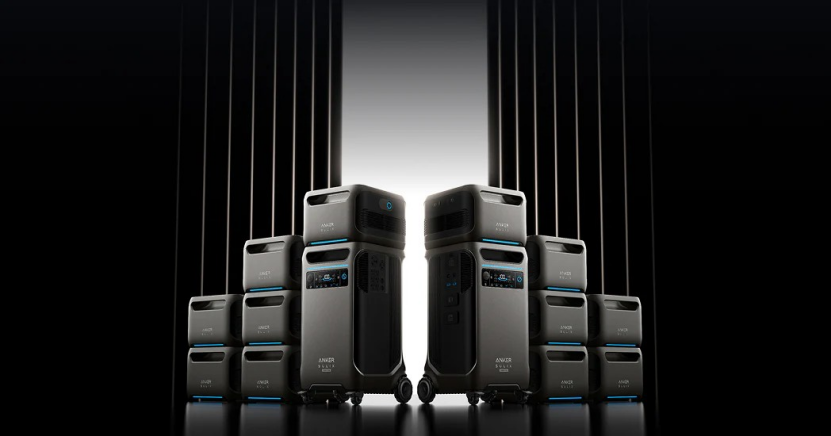
Longevity, safety, and long-term worth are all impacted by battery chemistry. Lithium-ion batteries are inexpensive and lightweight. LiFePO4 batteries typically have higher thermal stability and longer cycle life. Before making a choice, compare warranty coverage and rated charge cycles. Efficiency restrictions may cause usable capacity to deviate from claimed capacity. Think about a system with extensible battery modules if your energy requirements change over time. You may expand storage through expansion without having to replace the primary device. Over many years of consistent usage, choosing the appropriate battery type and quantity guarantees dependable performance and safeguards your investment.
What Features and Specifications Should You Compare?
Charging Options: Solar Input, AC Wall, and Car Charging
Flexible charging options improve convenience and reliability. Most solar power generators support wall charging for quick preparation before trips. Solar input enables recharging during off-grid operation. Higher solar input capacity lowers recharge time under bright sunshine, improving the performance of solar power producers. Car charging provides more freedom while travelling. Check the maximum input power and compatibility with existing solar panels. Some solar power generators support dual charging from solar and AC simultaneously, shortening downtime. Evaluating charging speed and adaptability guarantees that your solar power generators are ready in an emergency and can adapt to changing surroundings.
Portability, Build Quality, and Safety Certifications
Portability is vital if you relocate the generator regularly. Evaluate the weight, handle design, and wheel alternatives. The durable housing protects internal components from damage and weather exposure. Strong construction quality increases longevity and lowers repair costs. Safety certifications confirm compliance with electrical standards and protect against overheating or short circuits. Look for integrated battery management systems that monitor temperature and voltage. Reliable construction and safety features enhance long-term performance. A careful comparison of physical design and protective systems ensures reliable operation in a variety of environments.
Warranty, Brand Reputation, and Long-Term Value
The warranty coverage demonstrates the manufacturer’s confidence in the product’s durability. Compare the guarantee periods for the generator and battery components. Longer coverage often indicates greater quality. Read verified consumer reviews and professional ratings to learn more about a brand’s reputation. Established brands often offer superior customer service and firmware upgrades. Consider long-term value rather than just the upfront expenditure. A somewhat more substantial investment may result in improved dependability and a longer lifespan. By assessing warranty conditions and brand trustworthiness, you may decrease risk and make more educated purchase decisions.
Conclusion
It’s important to carefully consider use objectives, energy requirements, and system parameters when selecting the ideal solar-powered generator. Accurately calculate daily usage while taking surge requirements into consideration. Before making a purchase, evaluate charging alternatives, inverter ratings, and battery types. To guarantee long-term satisfaction, take durability, mobility, and warranty coverage into account. Off-grid living, travel, and crises may all benefit from reliable, clean energy when generator capacity is in line with reasonable expectations.